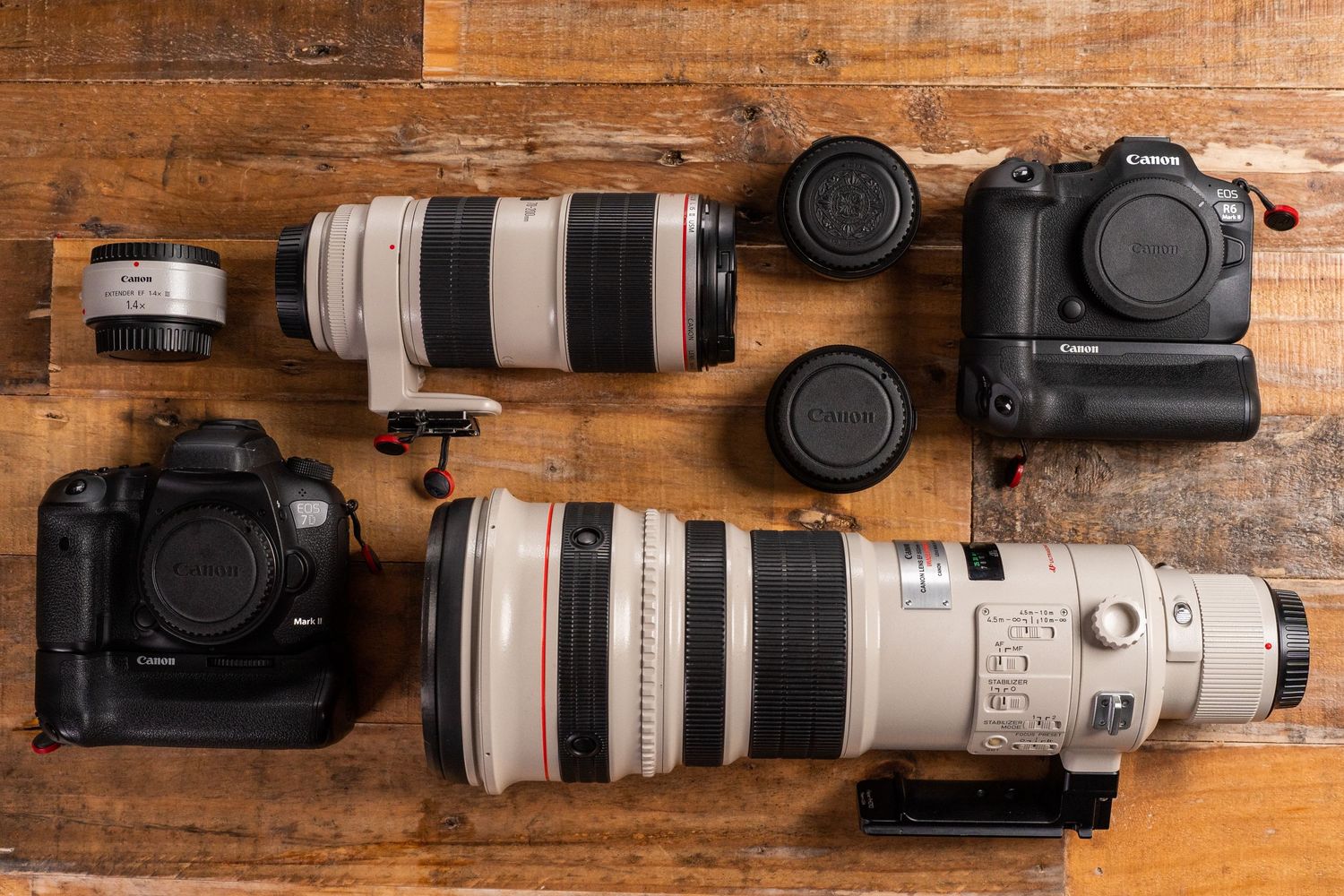
Please help support me and this site by using the affiliate links whenever you order anything from Amazon. I get a small commission on any products you purchase, and the best part, it costs you absolutely nothing.
Currently in use
Cameras
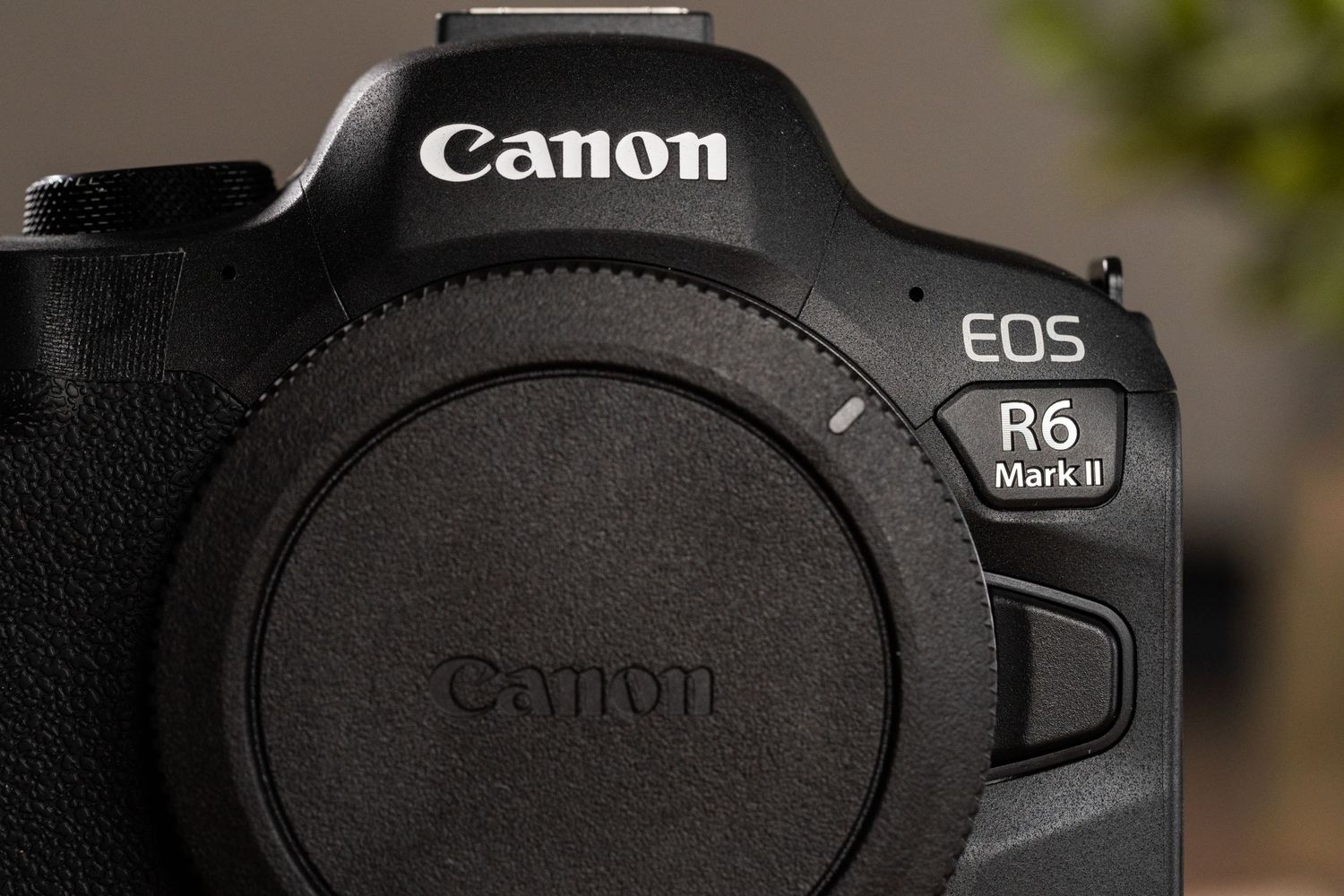
Canon R6 Mark II
Bottom Line: The R6II is my primary Full-Frame camera body. It is a low-light beast that has an auto-focus system that almost never misses. I shoot it almost exclusively in full-electronic shutter at 20+ frames per second with minimal issues caused by rolling shutter.
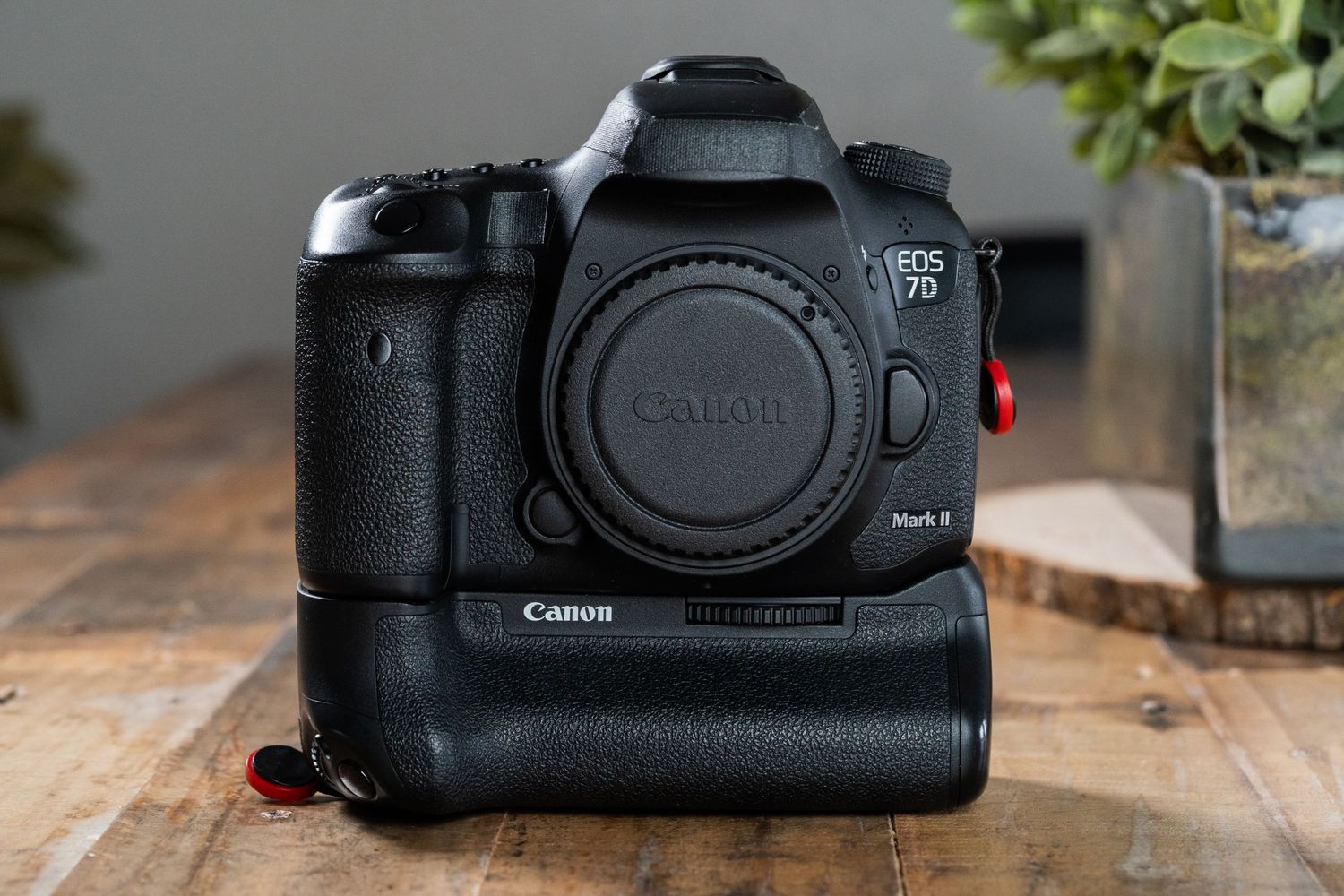
7DII discontinued - Links to Canon R7
CAnon 7D Mark II
Bottom Line: The 7DII serves as my secondary camera, backing up my R6II. This camera was originally released in 2014 but is still very capable of delivering high quality images. I use the 7DII when I need to put additional pixels on my subject by utilizing the 1.6x crop factor, or when I know I'll be shooting in inclement weather.
Click here to purchase a Canon R7 (The mirrorless replacement of the 7DII)
Lenses
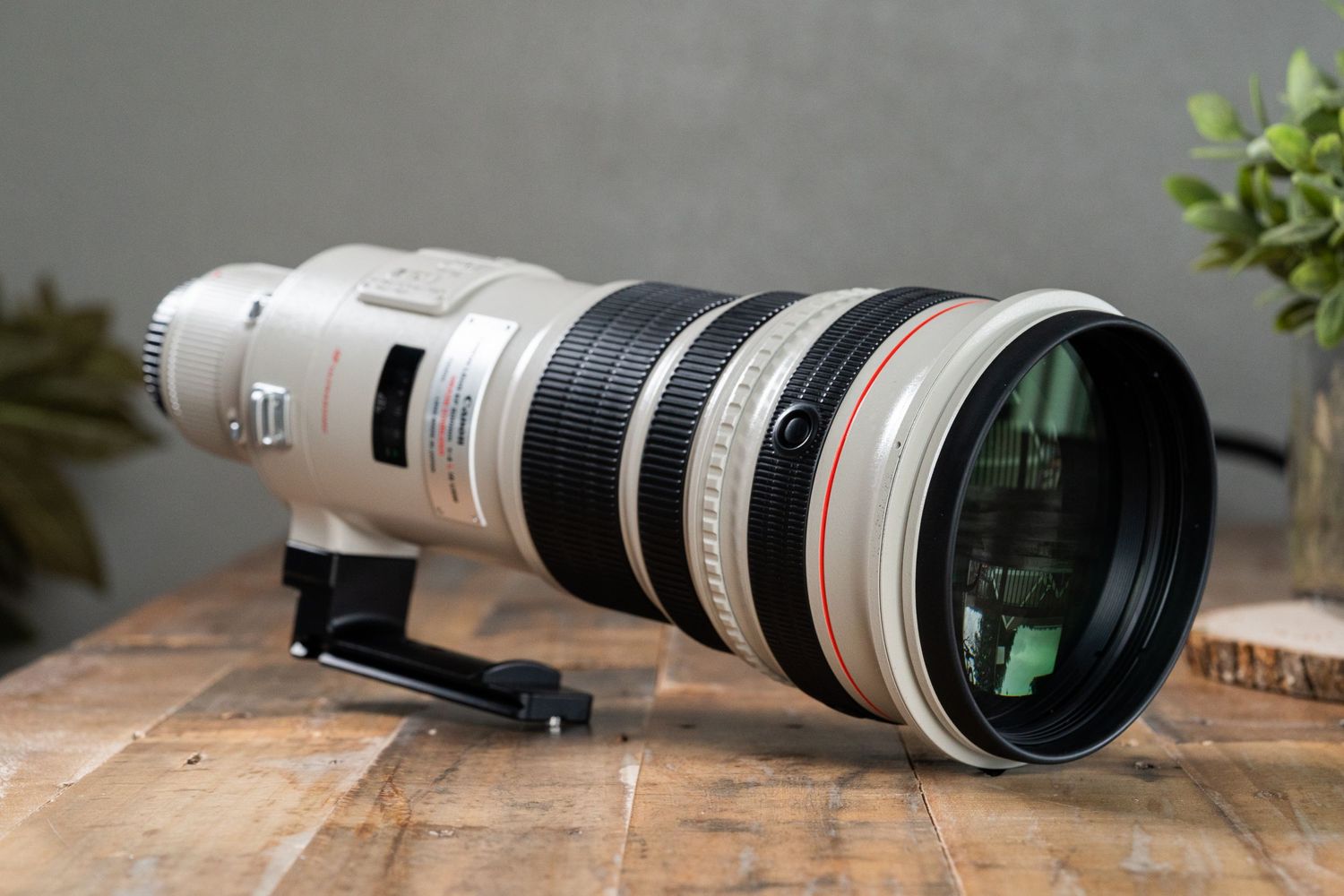
V1 discontinued - Links to V2
Canon 500mm F4 L IS (Version I)
Bottom Line: Big. Heavy. Sharp. This is the first EF version of Canon's 500mm F4 originally released in 1999. This lens has served as my primary wildlife lens since switching to the Canon system last year and despite it's age, it performs flawlessly.
V2 discontinued - Links to V3
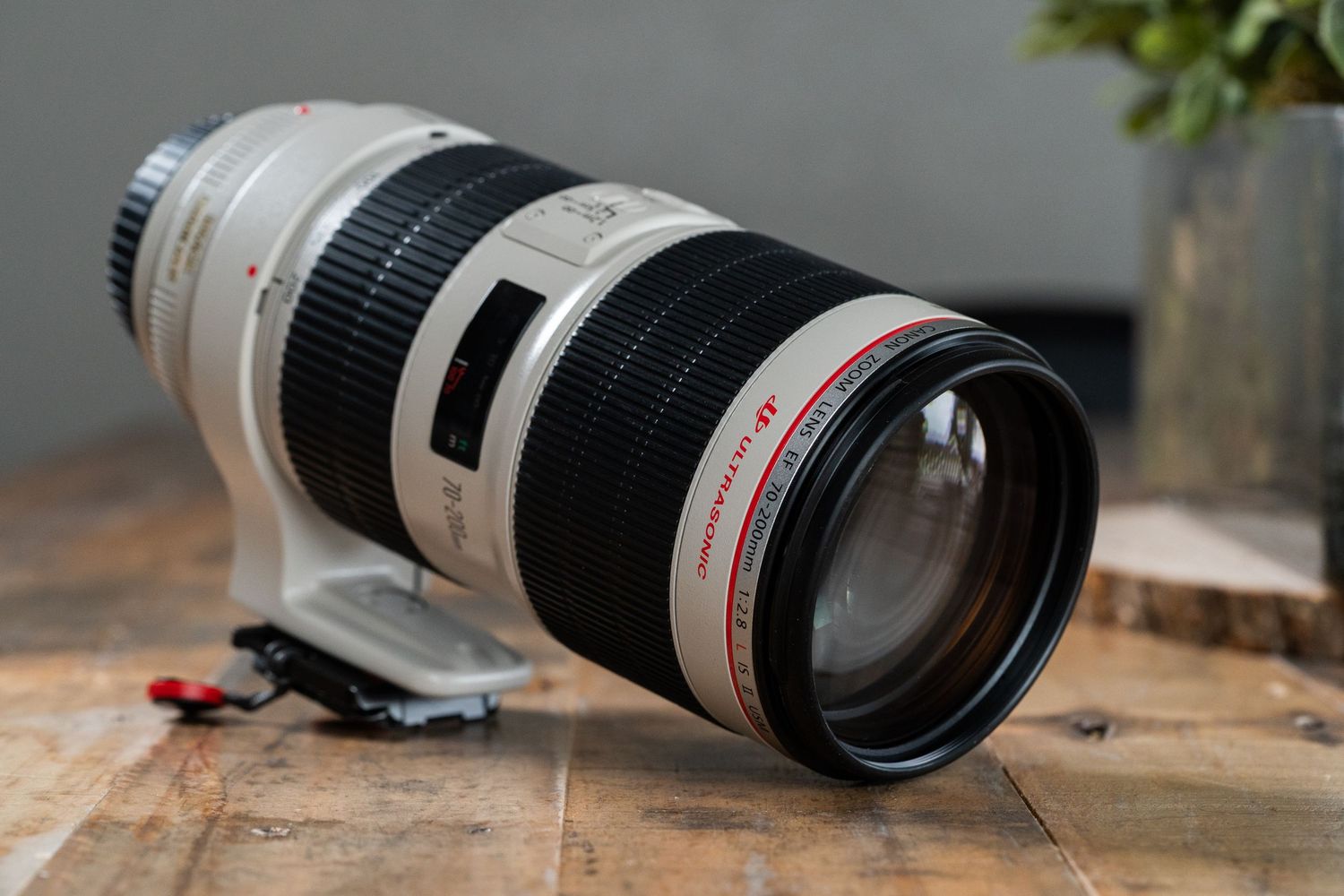
Canon 70-200mm F2.8 L IS II
Bottom Line: If I had to pick one lens to use for the rest of my life, this would be it. A 70-200mm F2.8 from any manufacturer is the most versatile piece of glass a photographer can own. I use it for landscapes, wildlife, sports, and weddings.
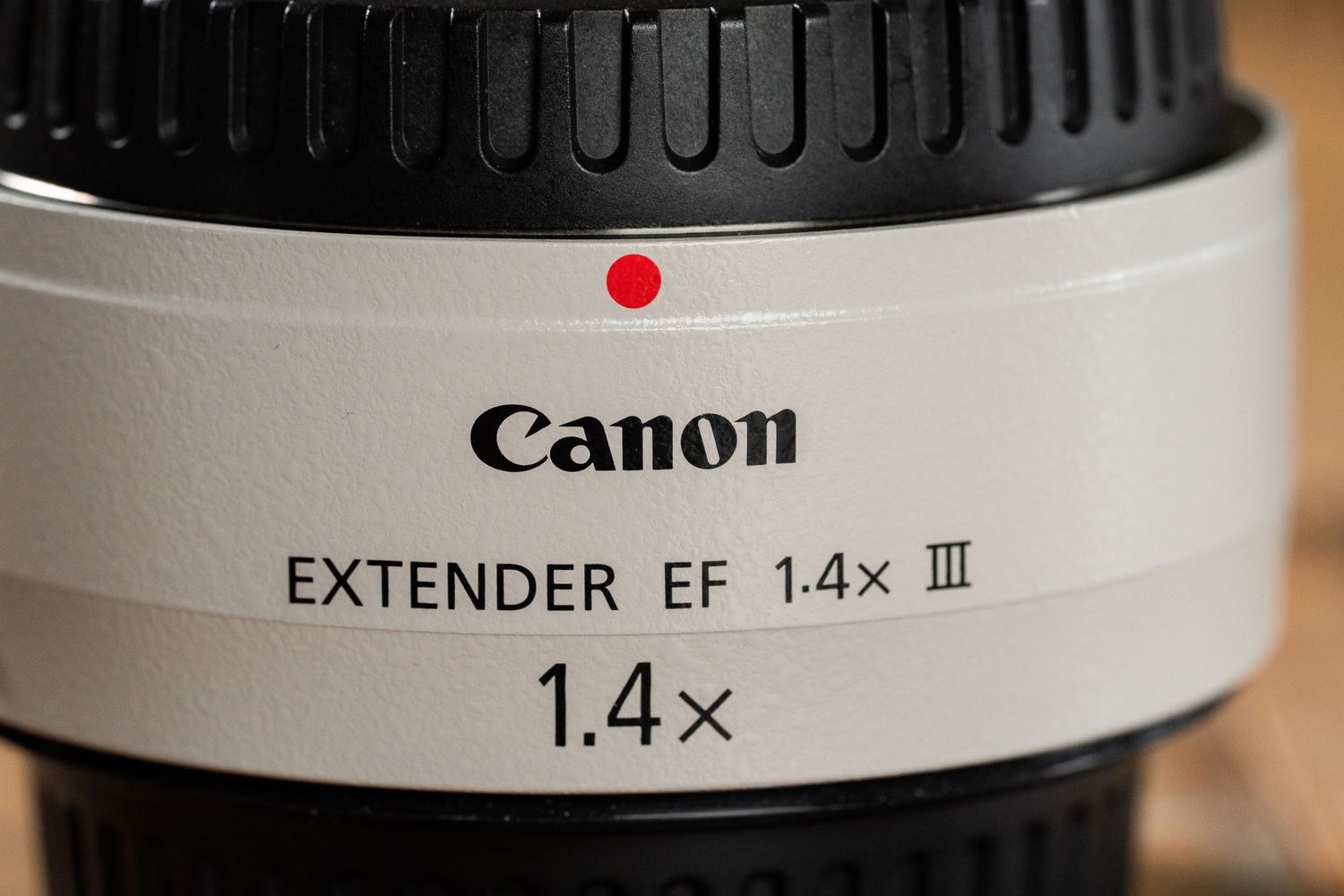
Canon 1.4 TC III
Bottom Line: Canon's 1.4 TC III increases the focal length of my other lenses by 40% at the expense of one full-stop of light. I use teleconverters when I need just a little more focal length to get the framing I want.
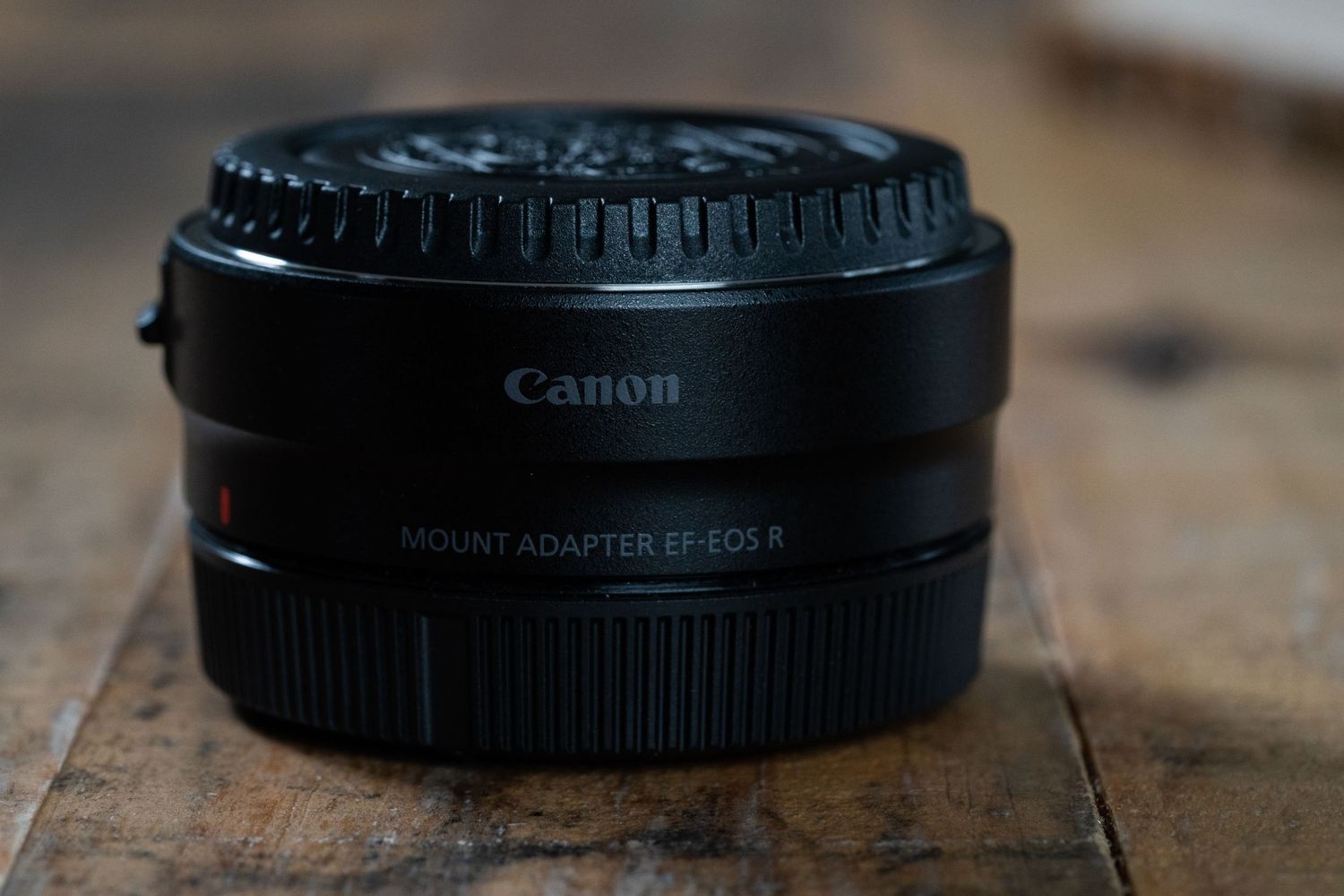
CANON EF-RF ADAPTOR
Bottom Line: Canon EF DSLR lenses work as good, or even better, on Canon's mirrorless line using this adapter. Any time I use my R6II I utilize either this or the control ring adapter as I don't currently own any R-glass and don't see a need to upgrade to it at the moment. I take care not to hold my R6II by the camera when using adapted heavy lenses, as it does seem to have a small bit of flex at the lens mount.
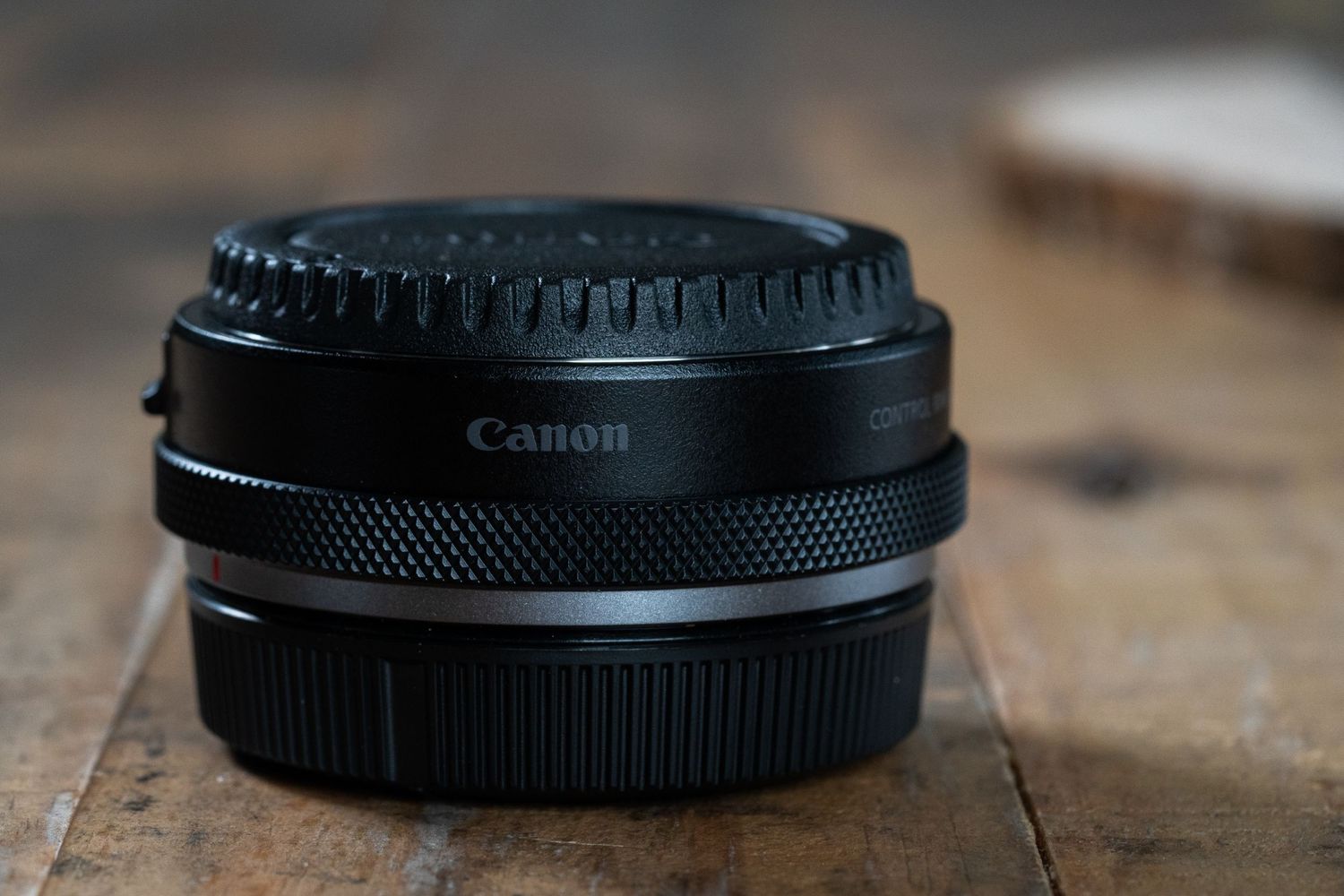
CANON EF-RF ADAPTOR with control ring
Bottom Line: I got this adapter to see if it was a little more rigid than the basic adapter. Turns out it's not, and I have not found a great use for the control ring yet. Unless you know you want to use the control ring for something, I don't think this upgrade is worth it.
Click here to purchase a Canon EF-RF adapter with control ring
Support
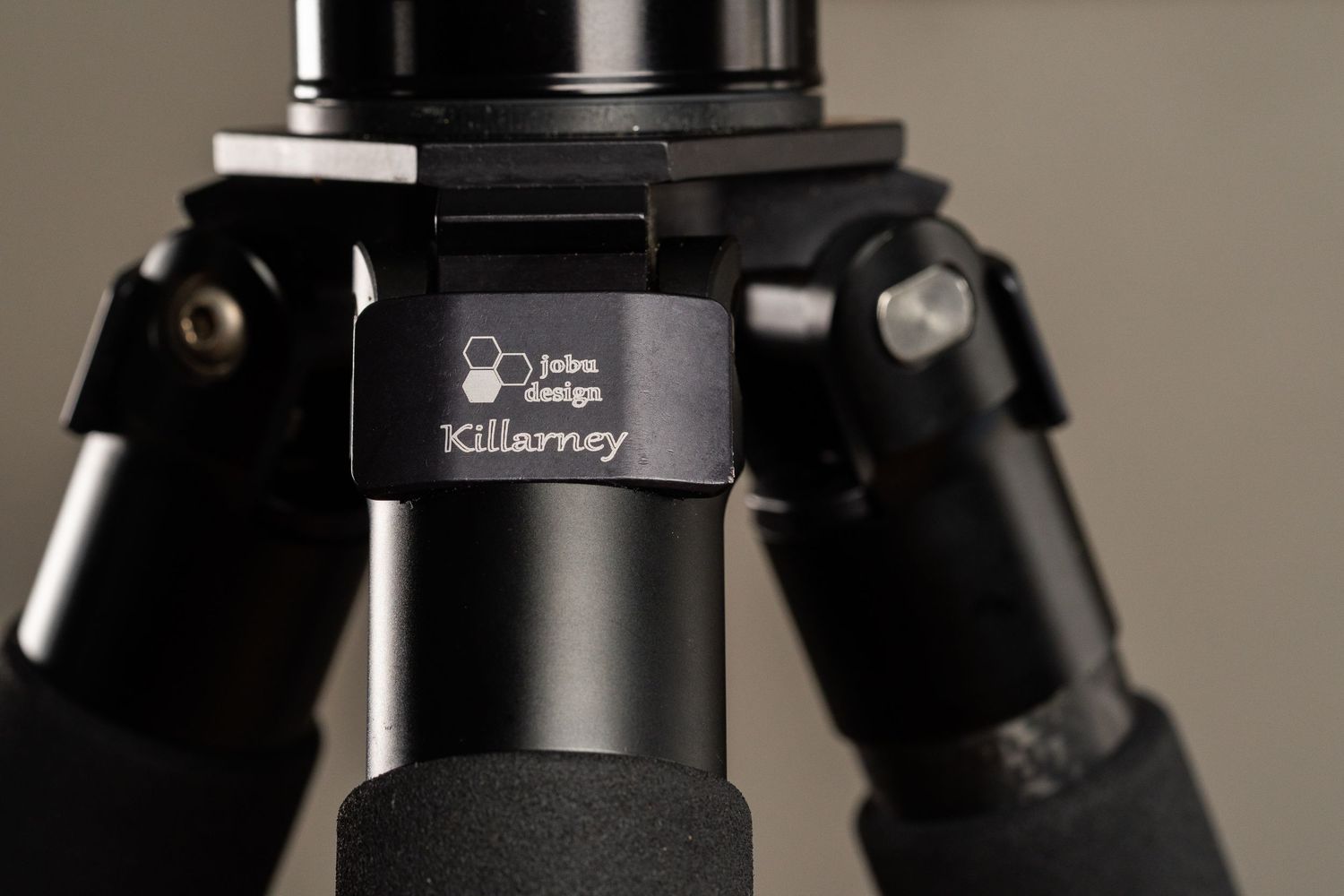
Jobu Designs Killarney Tripod
Bottom Line: A good tripod can make all the difference when trying to maximize image acuity in dynamic situations. This Canadian-manufactured Jobu Tripod is extremely well made and very stable for its size and weight. All the components are metal, including the leg locks, which gives me confidence that this tripod is built to last.
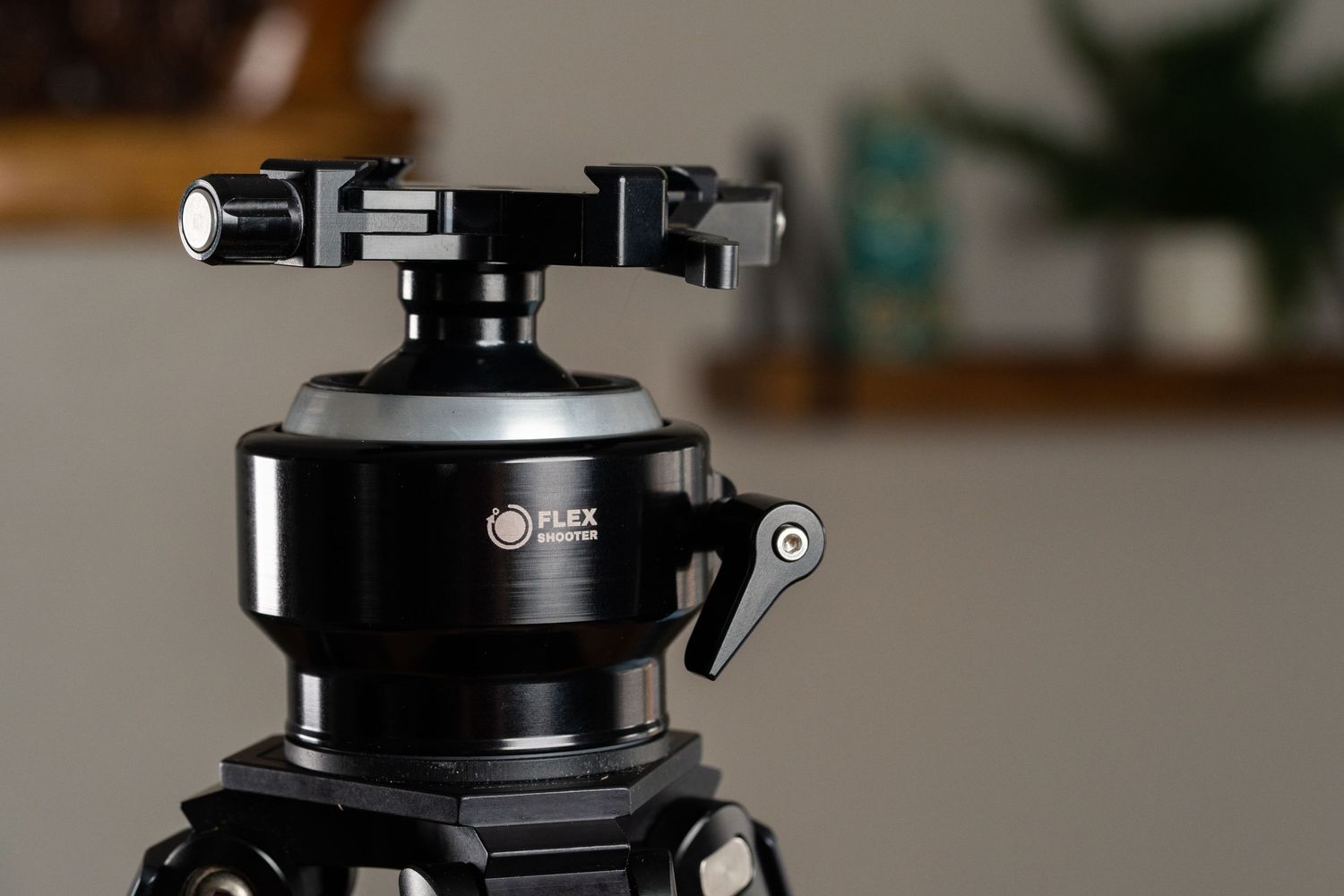
FlexShooter Pro w/ Lever-lock
Bottom Line: A good tripod needs a good head. The FlexShooter PRO tripod head functions as a hybrid ball-head/gimbal head. While I've always loved the functionality of gimbals, I hated the form factor as even the smallest are generally bulky and annoying to pack. The ball-head functionality of the Flexshooter Pro isn't quite as seamless as a dedicated unit like the RRS BH-55, but being able to use one-head for wildlife & landscape is worth the minor user experience issues. Oh, and did I mention it's more stable than any gimbal I have ever used? This is a no-brainer.
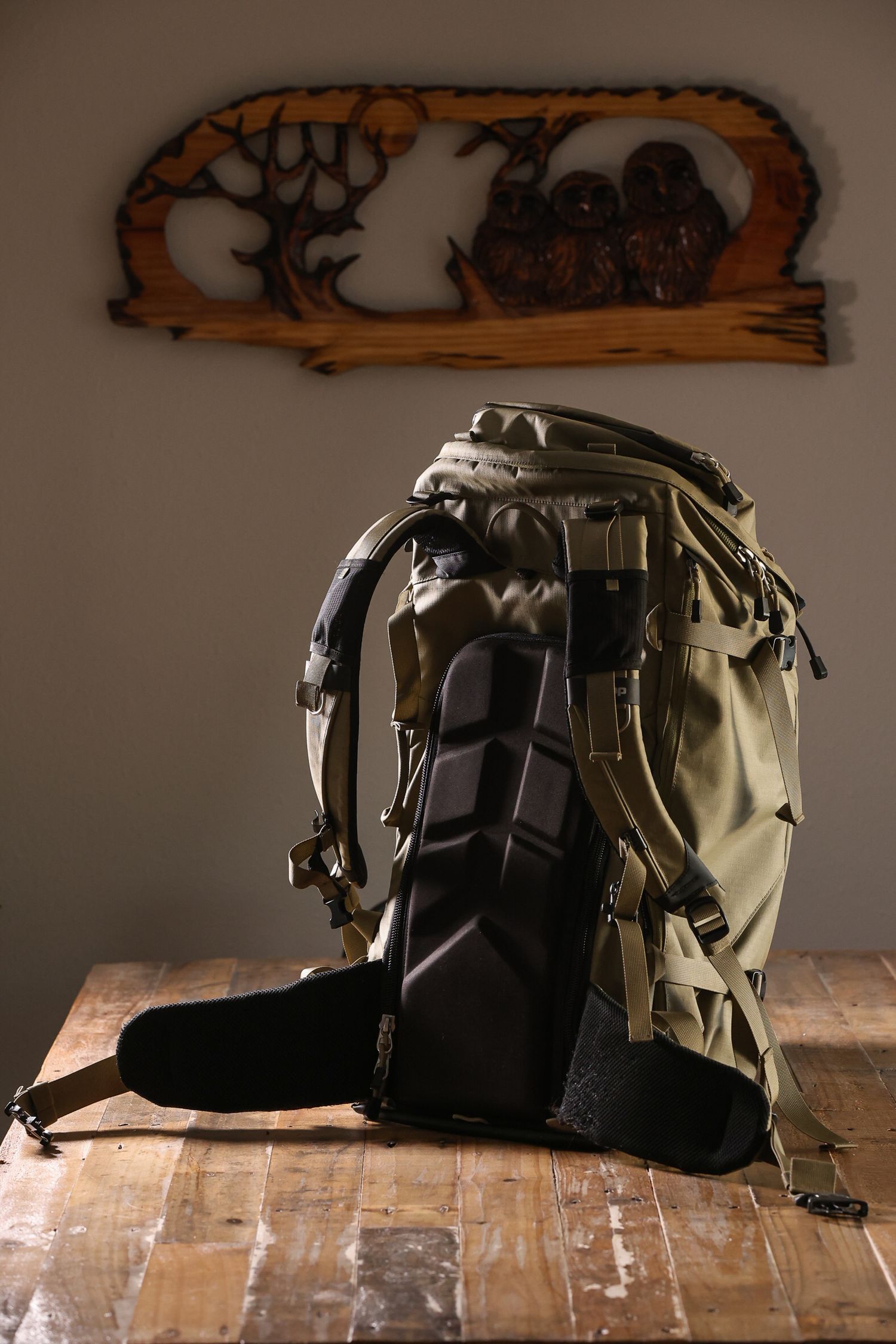
F-StoP GEAR SUKHA 70L
Bottom Line: My primary pack for shooting wildlife as it can easily hold my full-kit, along with any layers and additional equipment I may need in the field including camouflage netting, inclement weather gear, additional insulation layers, etc.
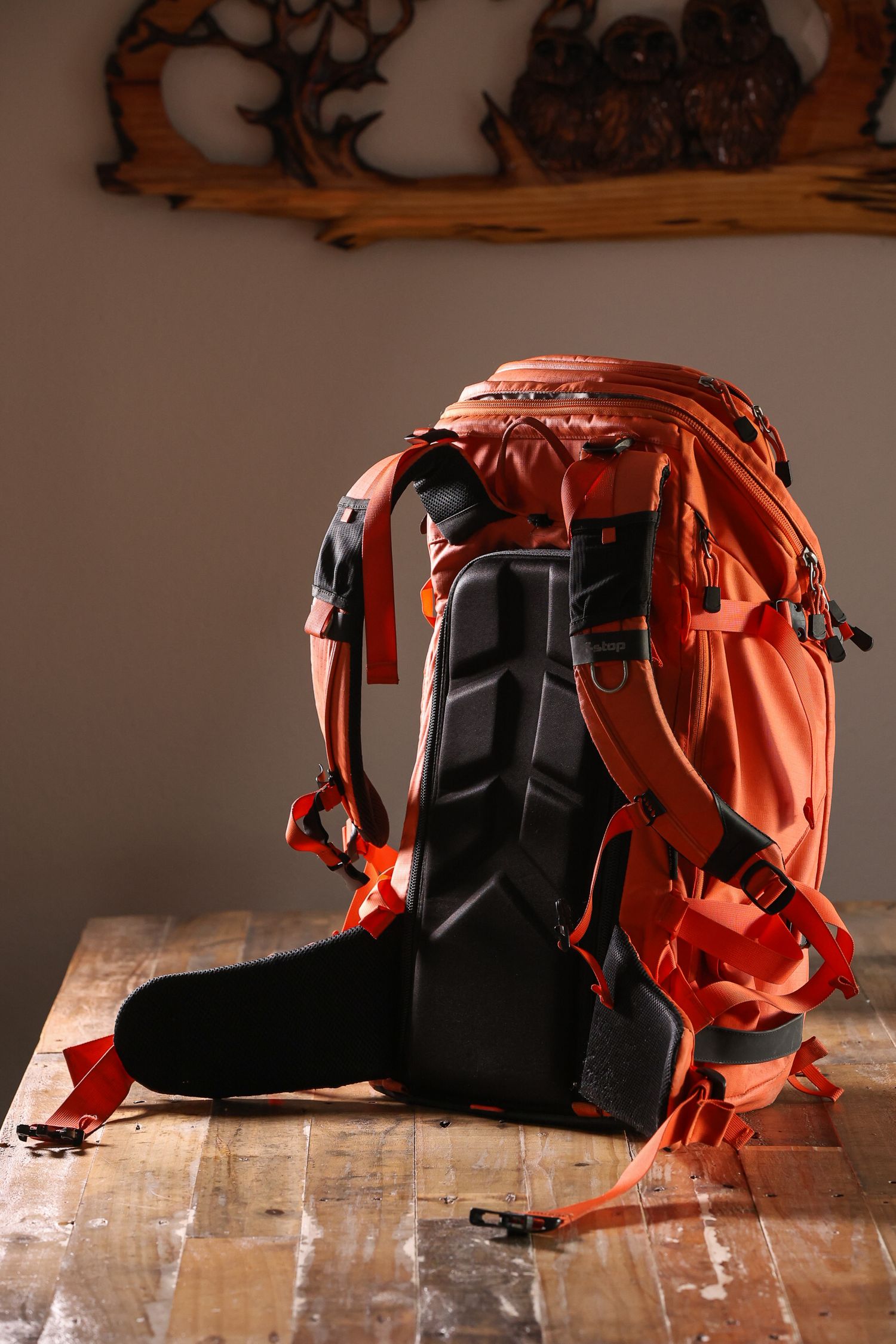
F-Stop Gear Tilopa 50L
Bottom Line: My primary pack for shooting outdoor sporting events and races. The vibrant orange color keeps me visible to participants and traffic if I'm working near an open street. Can hold my full-kit if necessary, but usually only keeps 2 bodies, my 70-200mm, and inclement weather gear and layers.
Past Equipment
CAMERAS
Canon 1DX - A great full-frame sports camera that's image quality still holds up today in 2023
Canon 1DX Mark II - Same as above, with slightly better autofocus & red focus points in the viewfinder
Canon R6 - A great camera for general purpose photography. Second-best AF system I've ever experienced with the R6II being ever so slightly better
Fujifilm X-T1
Fujifilm X100V - A great general-purpose camera, allows you to be nearly invisible due to small unobtrusive form factor. Great old-school styling
Nikon D750
Nikon D3000
Nikon D200
Nikon D3s - A high ISO workhorse. If you know how to use a DSLR, the D3s can still produce great high ISO images today
Nikon D800
Nikon D810
Nikon D4 - Probably not worth the upgrade over the D3s, unless you really need 4 additional megapixels. Which you don't
Nikon D4s - Similar to the D3s, but better. My favorite AF system in a DSLR, and can still deliver world class image quality in 2023
Nikon D500
Nikon D850 - The best DSLR ever made. Well...that depends. I still prefer the Nikon D4s or the Canon 1DX mark II
Nikon Z6 - One card slot is a non-starter for me as a professional. However, this may not matter to you. A great general purpose camera
Nikon Z6II - Added the much-needed 2nd card slot. A great general-purpose camera, but well behind the competition regarding tracking autofocus
Olympus EM-5
Sony NEX-6
Lenses
Canon EF 50mm F1.8 STM - A lens that punches way above its weight class. Buy it. Or the RF version which is essentially the same
Canon EF 50mm F1.2 L - Worse acuity than the F1.8 STM. However, it does have a nice rendering, with a boat load of Chromatic Aberration
Canon EF 135mm F2 L
Canon 100-400mm F4-5.6 L II - If you need a long zoom and can manage the relatively slow aperture, buy this
Fujifilm X 16mm F1.4 - A really good lens. Just never found a Fuji body that worked really well for my use cases
Fujifilm X 50-140mm F2.8 - Fuji's 70-200mm equivalent. If you're a Fuji Shooter, this may be a good purchase
Nikon 18-55mm F3.5-5.6G
Nikon 24-120mm F4G
Nikon 50mm F1.8G
Nikon Z 50mm F1.8 - The 50mm F1.2 Z is better. It's also much bigger
Nikon Z 50mm F1.2 - A HUGE lens. Great IQ, but Nikon....Why does it have to be so humongous?
Nikon 58mm F1.4G - The most beautiful, yet extremely flawed 50ish you may ever shoot. You'll either love it or hate it
Nikon 85mm F1.8G
Nikon 105mm F2D
Nikon 105mm F1.4E - You're a Nikon shooter who enjoys portraiture? Buy this
Nikon 70-200mm F2.8G - Terrible focus breathing. You don't know what you're missing until you shoot a lens without this issue
Nikon 70-200mm F2.8E - If you're a Nikon DSLR shooter that needs a 70-200mm, this is the one to get
Nikon Z 70-200mm F2.8 - If you're a Nikon mirrorless shooter, buy this lens. It's equivalent to the DSLR version, just focuses more accurately on Z-bodies
Nikon 200mm F2G VR - A beautiful pig of a lens. I miss this every day as a Canon shooter
Nikon 300mm F2.8G VR
Nikon 200-400mm F4G VR
Nikon 500mm F4D AF-S II - This was my first true fast super telephoto. A hell of a bargain on the used market, and a sharp lens that can still deliver 22 years after release
Nikon 500mm F5.6E PF - Highly mobile, but F5.6 is just too slow for me in many cases
Olympus 12-40mm F2.8 PRO - If you're a Micro 4/3 shooter, this is a great normal focal length zoom lens
Sigma 105mm F1.4 ART - If you're a Canon/Sony shooter looking for a 105mm F1.4, this is your only choice. A beautiful yet heavy lens that's less versatile than a 70-200mm
Sigma 120-300mm F2.8 SPORT - A good lens, plagued by 3rd party AF issues on DSLRs. Probably performs better on mirrorless bodies
Sigma 150-600mm F5-6.3 SPORT - My first wildlife lens. A good place to start
Sony 16-50mm F3.5-5.6
Tamron 15-30mm F2.8 VC G2 - A good sharp wide angle. Filters use is a pain
Tamron 70-200mm F2.8 VC G1
Tamron 70-200mm F2.8 VC G2 - A decent option. Exhibits focus breathing at close focus, and barrel paint seems brittle and thin
Tamron 150-600mm F5-6.3 VC G2